There's a tempting sentence that shows up in a lot of edtech pitches: "our AI knows exactly where every student is." It sounds impressive. It's also, in almost every case where the underlying product is a whole-class projector tool, not really true, and we think it's worth explaining why teloriva deliberately doesn't say it, what we do instead, and where real individual mastery tracking actually lives in the platform.
The temptation to oversell thin signals
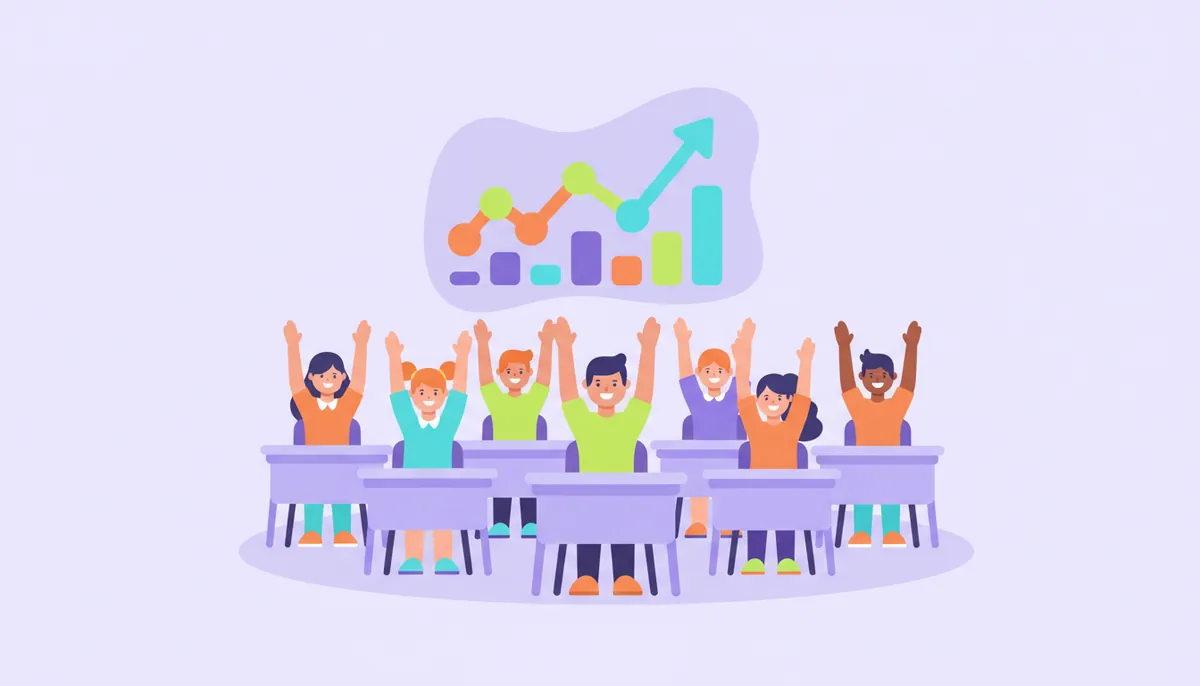
Think about what a whole-class instructional tool can actually observe. A poll where the class raises hands. A choral response. A volunteer at the board. A show of thumbs. These are useful signals, genuinely useful, for a teacher trying to gauge whether a lesson landed, but they are class-aggregate signals. Thirty students respond to one poll, and you get one read on the room, not thirty individually verified data points about what each student, specifically, understands. Turning "23 of 30 hands went up" into "here is Student A's individual mastery score" is a real inferential leap, and it's one a lot of "AI knows your classroom" marketing quietly makes without saying so out loud. We don't make that leap, and we built the system specifically so it can't.
What Classroom Auto-Teach actually records
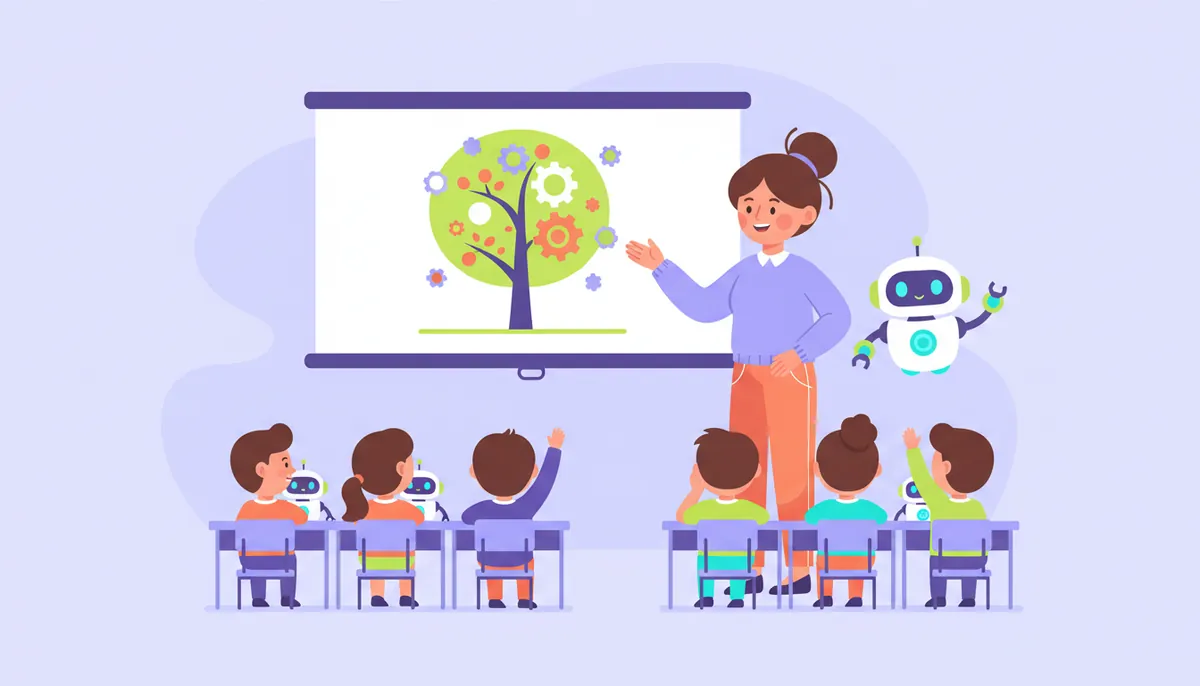
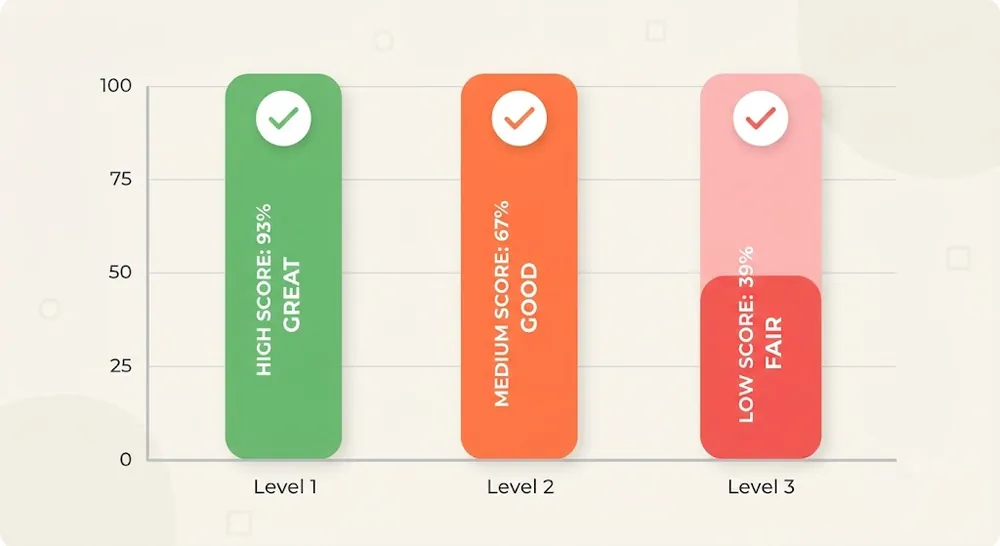
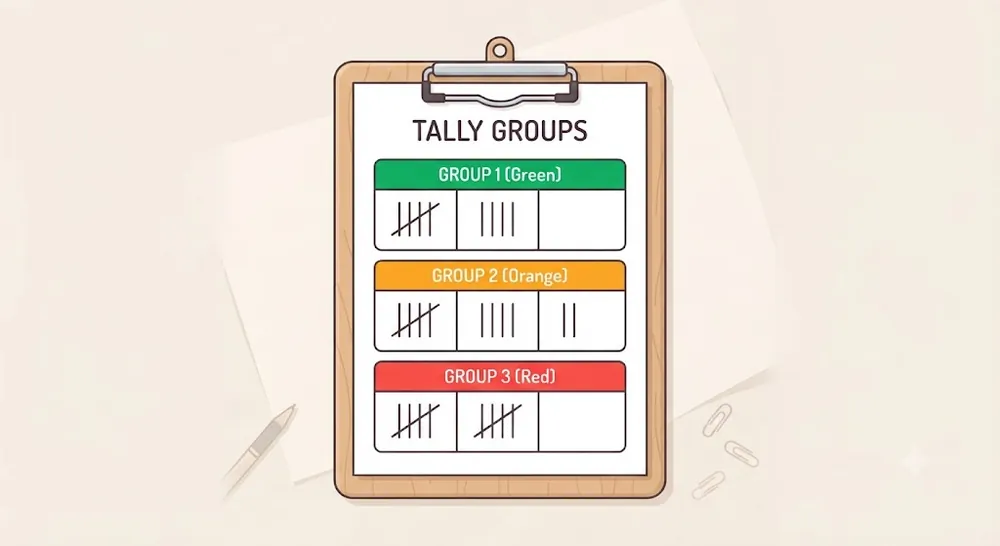
Every stage of a live Auto-Teach session, the same no-student-device, single-projector system described in Teacher Copilot vs. AI Tutor, produces exactly one outcome for the class as a whole: got_it, partial, confused, or a small number of operational states like no_signal or teacher_takeover. That's it. There is no per-student data row generated anywhere in the classroom system, not a hidden one, not an internal one used for "future personalization." The interactive components are built, by explicit design, to "collect a class-level response and emit class-level evidence, never per-student mastery." That line isn't marketing copy; it's the literal engineering contract every one of the 25 classroom components has to satisfy.
We want to be direct about something else here too, because honesty about scope has to include honesty about history: an earlier version of this system experimented with persistent class-level concept-mastery tracking and a scored policy layer meant to make automated decisions from those signals. That entire subsystem was built, evaluated, and then deliberately removed from the codebase. It doesn't run today, isn't hidden behind a flag, and isn't a "coming soon" feature we're quietly still counting. If you ever see it described in old internal documentation, that documentation is stale, the shipped system today only ever produces the four class-aggregate outcomes above, full stop.
At the end of a session, that same class-aggregate data rolls up into a session report, completion rate, the outcome breakdown across the stages you ran, how long things took, and a full log of every teacher override. It's a genuinely useful record of how the lesson went as a class experience. It is not, and doesn't pretend to be, a gradebook.
What we call a "check," not a "watch"
There's a difference between reading a room and watching a room, and it's worth naming precisely. Classroom Auto-Teach has one real feature that touches student identity at all: face-based volunteer identification, scoped privately per teacher, used to help the runtime know which student is currently at the board during a volunteer-to-board activity. It exists to make that one interaction flow smoothly, not to track attendance, not to score attentiveness, not to build any kind of behavioral or focus profile over time. There is no attention-monitoring or focus-detection system anywhere in this product, and there's no code path that turns a webcam feed into a judgment about whether a student is paying attention. If you've seen "attention monitoring" language associated with AI classroom tools generally, including, at points, in our own earlier planning documents, that's aspirational language that was never built, and it isn't something we intend to build quietly later without saying so.
Where real individual mastery tracking actually lives
Here's the part that we think makes this an honest story rather than a limitation to apologize for: individual student mastery tracking is real in this platform. It just doesn't live in the projector runtime, because a projector session isn't the right context for it.
A separate adaptive learning engine tracks concept mastery per student, per concept, using a genuine Bayesian Knowledge Tracing model combined with a custom memory-retention decay layer, the kind of individually-attributed academic modeling that a whole-class poll signal simply cannot support with any integrity. That system operates on a student's actual coursework, their answers to specific questions on specific concepts, worked through individually, which is the kind of evidence that can honestly support an individual mastery claim. It models a full prerequisite concept graph, not just isolated topics, and routes a struggling student toward a prerequisite review, a hint, or additional practice, with every decision logged for a teacher to see. That's a different article's worth of detail, but the point that matters here is architectural: the system that tracks you, specifically is not the system running the projector, and we built it that way on purpose.
Why keeping these two systems separate is the trustworthy design
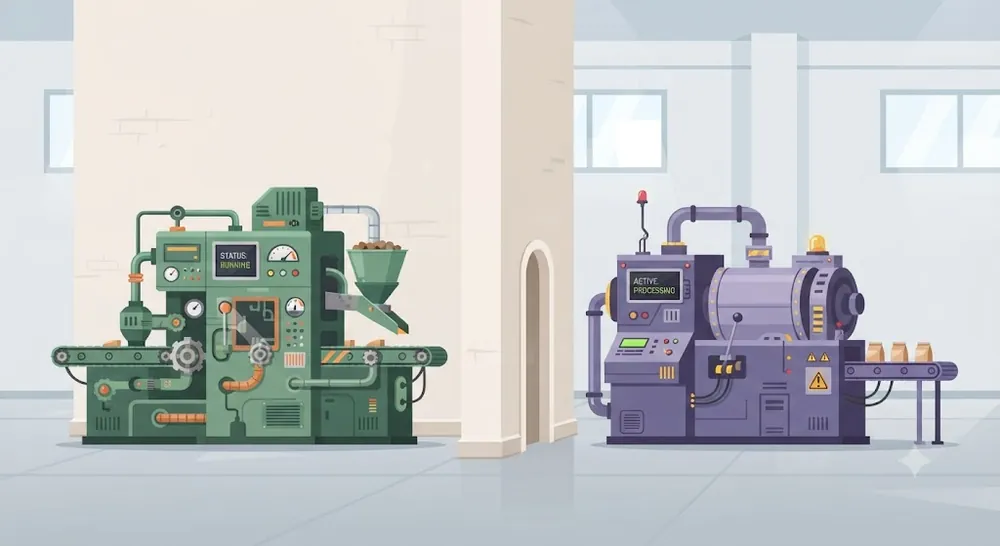
It would be simpler, in a marketing sense, to blur these two systems together, to let a whole-class poll response quietly feed into something that sounds like individual mastery, because "the AI knows every student" is a more exciting sentence than "the AI knows the room, and separately, a different system knows the student, on different evidence, in a different context." But it wouldn't be true, and we think teachers, and the students behind those numbers, deserve a product that doesn't blur that line for a better headline.
So: a projector session tells you how the class did, honestly and only that. A student's real coursework tells you how that student is doing, tracked properly, with real evidence behind it. Neither system pretends to be the other. That's not a gap in the product. It's the design.
Curious how the two systems actually connect, where a struggling student on their own coursework gets routed, and how a teacher sees it? Explore teloriva's Adaptive Learning Engine →
If you want the fuller picture of how the classroom runtime itself works, see Teacher Copilot vs. AI Tutor: Two Different Products Wearing the Same Label.